How to Stop Bottling Everything Up

Men are really good at bottling things up. You get annoyed, stressed, disappointed, or angry and you just push the feelings down. You tell yourself to just man up and get on with it, or to not make a big deal out of it. That might work for a while until one day, something small happens and you explode, go quiet for days, or feel completely numb. Sound familiar?

Why Do I Keep Stuff In And Then Lose It Later?

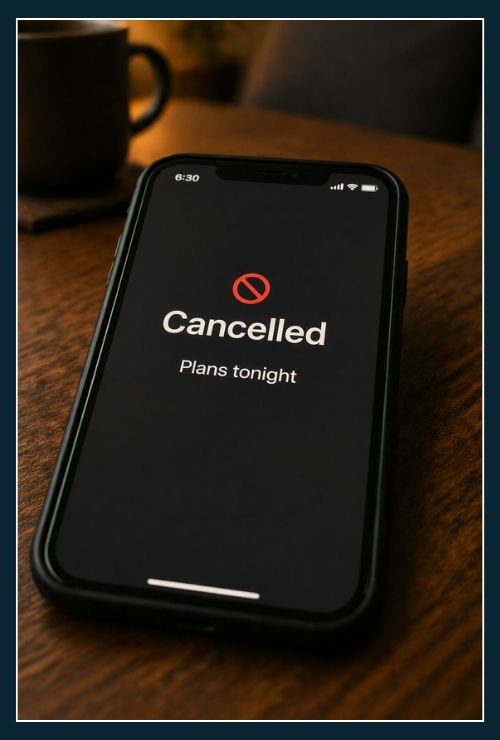
phone showing cancelled plans message on table in evening setting

You Don’t Explode Out of Nowhere

You don’t lose it over one thing. It looks like that from the outside, but it isn’t.
It’s more like this:
  • Someone says something that annoys you. You let it go.
  • A mate cancels at the last minute. You say “no worries” but it winds you up.
  • Someone at work talks over you. You clock it, but move on.
You just let things slide again and again. Each time it happens, it feels safer to keep things easy, don’t make it awkward.

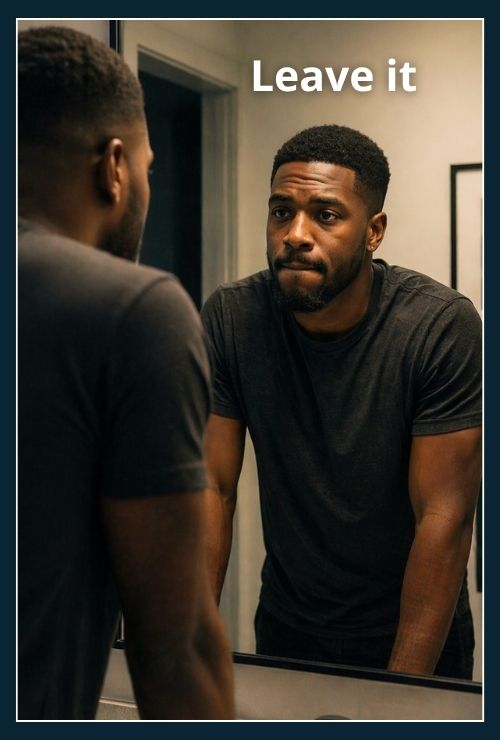
man looking at himself in mirror appearing thoughtful and holding back reaction

When You Push Your Feelings Back

Most of the time you know exactly what bothered you: “I’m pissed off because I feel disrespected". The problem is saying something about it. You don’t want to turn it into a bigger conversation, explain yourself or deal with how the other person might react.

You think things like “that was ridiculous” or “why did he have to say it like that” Then straight after that comes the second thought. “Leave it.” “That’s just how they are.” “I can’t be bothered with this.”
That moment is what matters most, not the blow-up later or the silence, but right there when you decide not to deal with it.

man reacting with irritation in a minor everyday situation

What Bottling Things Turns Into Later

When you bottle things up, they don't disappear just because you ignored them. They still need somewhere to go. But, because you didn't plan for it, they come out sideways.

You get snappy about random things that have nothing to do with the actual issue. Your sleep gets worse because you can’t settle and when you do finally fall asleep, you have nightmares. The people in your life complain that you’re harder to reach and act like you don’t want to socialise with them. It’s not because you hate everyone, it’s just that being around people feels like a big chore, when you're already full.

Why Does It Feel Easier To Say Nothing At The Time?

The Difference Between Venting and Actually Dealing With It

Venting might seem like the best way, but it’s too temporary to make any real difference. You rant about something to a mate, feel relieved for about an hour, then the same thing is still bothering you a week later. That’s because venting is just replaying it out loud. When you process it, you figure out what the feeling is and why it's there.

For example, the mate who cancelled ruined your plans, but is that really the problem, or is it that you already feel like you're a low priority to the people around you. The guy who talked over you at work isn’t a big deal, except that he keeps doing it and because you've never said anything, you now feel invisible.

Not Everything Needs a Conversation

Speaking up is not always the answer, and pretending it is sets you up for more frustration. Some situations are not really about the other person at all. They are about what the situation revealed to you.
The colleague who constantly gets the credit for work that clearly isn't his. The friend who only calls when she needs cash. The boss who talks to you like you're replaceable. These things hit a nerve for a reason. Not because those people are worth your energy, but because they are showing you something, about what you value, what you won't put up with, and sometimes what you need to change about your own situation.
That is not a reason to say nothing and suffer. It is a reason to pay attention. What is this actually telling me? Sometimes the answer is to say something. Sometimes the answer is to start making different decisions.

What Do You Do Differently So It Doesn't Build Up?

Deal With Bottled Up Feelings Without Making It a Whole Thing

You don't have to pour your heart out to anyone, or have a serious conversation. Ask yourself this every single time: Is this going to keep bothering me if I say nothing? If the answer is yes,
then you must always say something earlier, while it’s still simple.
Instead of saying nothing and thinking about it all day, you say “that didn’t sit right with me earlier.” Instead of letting it turn into frustration, you say “can we not do that again.” Instead of replaying it in your head, you say “I wasn’t a fan of that.”

What to Do When You Have Already Bottled Things Up for Too Long

If you’ve been holding onto stuff for months or even years, you can’t just open the floodgates and let it all out at once. The other person will feel like they’ve been ambushed and get defensive, which will wind you up even more. Suddenly you’ll both start throwing jabs about different things from three years ago. Firstly, you’ll both feel worse, also that ‘conversation’ just created a whole new problem on top of the original ones. Instead, pick one thing that’s still bothering you right now. Then say it simply:
“Something from earlier has been on my mind.”
“I should’ve said this sooner.”

What Do You Do When There Isn’t A Clean Fix?

Not everything has a fix. Traffic will wind you up. Plans will fall through. People will be selfish, short-sighted and occasionally just rubbish.

Some Things Are Just Part of Life and That's the Hard Truth

You can't resolve everything with a conversation or a boundary. Some of it is just the cost of being alive around other people.

This is where a lot of guys lose the plot - not in major events, but in the accumulation of small ones that never had a solution to begin with. The frustration builds because somewhere you believed it really shouldn't be like this. When reality keeps not matching that, it wears you down.
The shift is simple but not easy: you stop trying to resolve things that were never yours to fix, and you start asking instead - How do I want to carry this?

The Real Choice You Always Have

Whether something is worth addressing, worth learning from, or just worth letting go - the one thing you always control is how you respond to it internally.
That is not the same as pretending it doesn't bother you. It means you decide how much space it gets, whether it shapes the rest of your day or if it gets five minutes and then dismissed.
That is not weakness dressed up as acceptance. It is probably the most underrated skill a man can have - knowing what actually deserves your reaction and what is pointless.
crosschevron-down