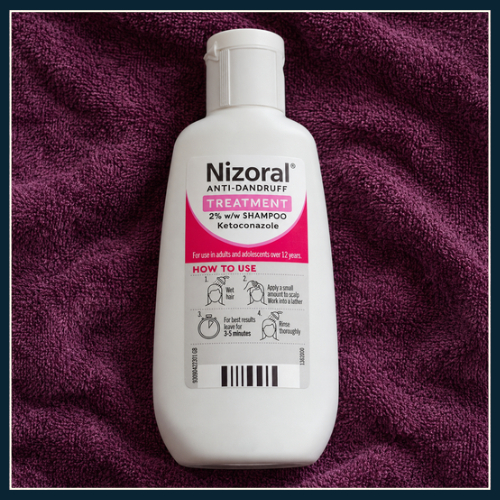
Nizoral 2% Shampoo For Dandruff And Flaky Skin

Best For
Skin affected by dandruff, seborrhoeic dermatitis or pityriasis versicolor.
AD
We earn commission from retailer links, at no extra cost to you.
Check Price
2%
Ketoconazole
3-5
Minutes before rinsing
2-4
Weeks of treatment
What
When
How
Caution
Official
Stockists

What Nizoral Shampoo Is

This is a proper dandruff treatment. The UK version is a medicated shampoo with 2% ketoconazole, an antifungal medicine.

The important bit is you can use it on your scalp or elsewhere on your skin. So Nizoral isn't there to make your hair smell nice or give it volume.  It's aimed at the skin problem itself.
When Nizoral Makes Sense

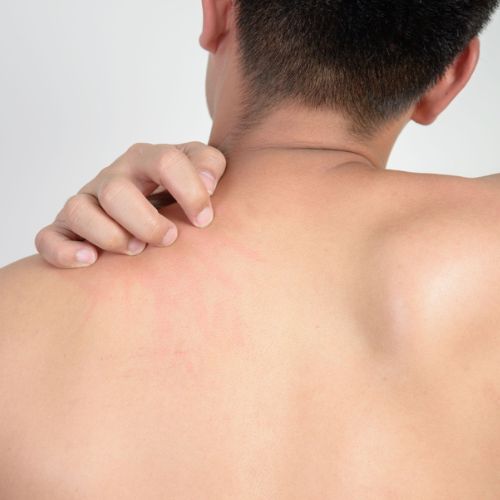
The word shampoo makes Nizoral sound like a hair product. It isn’t. Hair just happens to cover some of the skin people use it on.

Not every itch calls for Nizoral. Sometimes the skin feels tight, you have scratched it sore or your hair is simply overdue a wash. Use your normal shampoo for the quick refresh. Nizoral is there when you have a skin problem to treat.

Look For These Signs

  • Dandruff on the scalp or beneath a beard
  • Dry or greasy scale on the face or body
  • Small white or brown patches on the body

How To Use Nizoral 2%.

Lather it in to the affected skin, then leave it on for 3 to 5 minutes before you rinse it off.

How often you use it depends on the problem.

For dandruff, dry or greasy scale, use it twice a week for 2 to 4 weeks. After that, you can still use Nizoral once a week or once a fortnight to keep the flakes away.

For white or brown patches caused by pityriasis versicolor, use it once a day for 1 to 5 days.

When To Be Careful With It

Don't use Nizoral if you know you're allergic to ketoconazole or anything else in the shampoo. Also stop and ask a pharmacist or GP if the skin where you used it gets very red, swollen, painful, or the reaction feels bad.

And yes, keep it out of your eyes. Shampoo foam has no respect for boundaries.

Stop Using It If

  • Your scalp becomes very red or swollen
  • Pain, burning or irritation gets worse
  • The reaction feels unusual or severe

Where To Check The Official Information

Before you use Nizoral, check the label and leaflet. Not because anyone enjoys tiny folded paper with microscopic writing, but because that's where the proper use instructions, allergy warnings, side effects and safety notes live.

The NHS ketoconazole page is also useful. And, we would trust that before trusting a random product listing that gives you a bottle photo, a price, and 150 reviews arguing underneath it.

Where To Buy It Safely

With a medicated shampoo, we would rather buy from a proper pharmacy or a known retailer.

For UK buyers, places like Boots are a cleaner starting point because you are buying from a recognised retailer, not trying to work out which third-party listing is real, old, overpriced or a bit chaotic.

Price still counts, of course. Just do the boring check first: correct product name, correct size, sealed packaging, seller name, delivery details and return options. Dandruff is annoying enough without adding fake-product drama.

Check Trusted Stockists

Quick Take

Good To Know

Contains ketoconazole, an antifungal ingredient used in Nizoral shampoo to treat and help prevent dandruff.
The official patient leaflet gives clear use guidance, including how often to use it and how long to leave it on the scalp.
Available from well-known UK retailers, including Boots, which makes it easier to avoid random third-party seller weirdness.

Watch Out

It is mainly for dandruff, seborrhoeic dermatitis and pityriasis versicolor, so an itch caused by dryness, irritation, allergy or another skin condition may need different help.
It is a medicated shampoo, so it needs to be used as directed rather than treated like a normal everyday wash.
Like all medicines, ketoconazole shampoo can cause side effects, even though not everyone gets them.
crosschevron-down