How Do I Stop Hard Skin Coming Back On My Feet?

The hard skin is back, and the foot sander is on the charger yet again. Might even be a good time to get a back up, in case this one conks out. You used it last weekend and here you are again with your tap-dancing heels, ready to blast yet another cloud of foot dust across the bathroom.
You already know how to remove hard skin. What you need is less soreness afterwards and a longer gap before you have to do the whole thing again.

Try To Leave Some Hard Skin Behind

It’s so tempting to keep going. As long as hard skin is still coming off and the patch still looks uneven, why shouldn’t you take off a bit more? 
Then your foot hits the floor and you know you went too far. If the skin changes colour or starts to feel tender, the session is over. Stop right there and don't chase a baby-smooth finish. Just take down the worst of the build-up and leave a bit to protect your bare feet from grit and splinters.

Protect The Skin You Just Exposed

Cover Small Sore Patches

When you take off too much, you know how sore the fresh skin feels against hardwood, tiles or laminate - and it gets worse if you squeeze your feet into shoes. Creams help to soften the skin, but they can’t stop the floor or shoes from rubbing against the sore patch with every step you take.
Cut off a piece of hydrocolloid roll that's bigger than the sore patch and stick it over the fresh skin. It puts a light barrier between your foot and the floor or inside of your shoe.
You can cut the roll to fit the patch instead of fighting with little gel pads that slide around inside your shoes, heel cups that move by themselves or toe pads that stick to your socks instead of your feet.

How To Make Hydrocolloid Stay Put

Have your bath or shower first. Wash off the foot dust and dry your foot properly.

Don’t use moisturiser yet. Cut the hydrocolloid bigger than the sore patch. Press it down, then cream the rest of your foot.

Ours had been on clean, dry skin for 6 hours, but the bath water made it come off easily. Waterproof doesn't mean bath-proof.
Leave it on until the edges start lifting. Pull it back slowly across the skin instead of yanking it upwards. Work a little oil under the loose edge if it won’t let go. These plasters are not for splits that are deep, bleeding, swollen or leaking fluid. Go see a podiatrist for that.

Wear Recovery Slides Around The House

Once you've taken down the hard layer, every trip across the kitchen puts the fresh skin straight back onto laminate or tiles. You can go back to walking around barefoot once the skin has settled down. For now, slide into something soft for a few hours and give the whole sole some protection.

Wear whatever works for you: towelling slippers, thick-soled padded sliders or foam clogs.

Let The Cream Do More Of The Work

Urea Cream Is Not A Foot Peel

You’ve rubbed in the cream and now you’re waiting for the hard skin to lift off in one satisfying sheet. Expect disappointment, because that won't happen. Urea keeps dry skin soft, while a stronger cream works its way into the thick patch and softens the rubbery layers.
You still need to remove the build-up, but now you can do it with less effort and stop before the fresh skin starts to hurt.
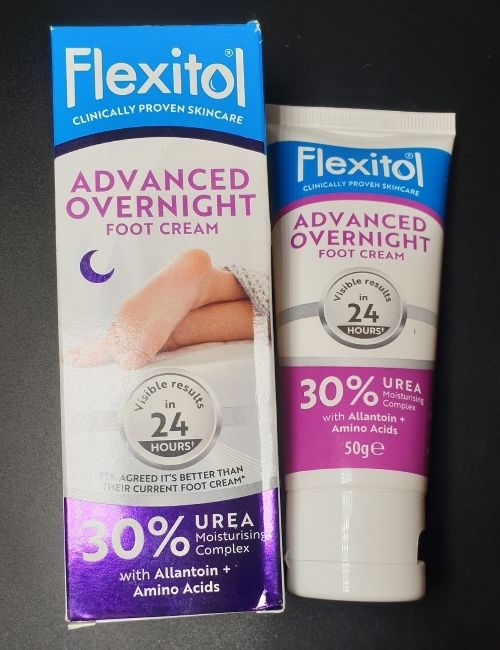
Flexitol box and tube together, positioned so the 30% UREA on the packaging is clear.

Choose The Strength You Need

If you just need to soften dry feet use 10% ureal. Move up to 20–25% if you've got firmer build-up. Keep 30–40% for those really stubborn, rubbery patches.

Don’t let it get on freshly sanded areas, cuts or deep splits - that might burn or sting. If that happens, wash it off quickly. Whichever strength you use, give the cream time to do its job before you reach for the tools.

Give Vaseline The Right Job

Your heels already feel like tyre rubber, so you reach for the Vaseline. All it will do is make them shiny - it’ll sit on top of the hard callus but never wear it down. Save it for after the hard skin has softened, when you want to keep it that way.
Rub in urea cream a few hours before bed and give it time to sink in. Then spread a thin layer of Vaseline on top.

Put on an old pair of socks and read a book or watch telly for an hour. If sleeping with hot oily feet sounds unbearable, take the socks off before bed.
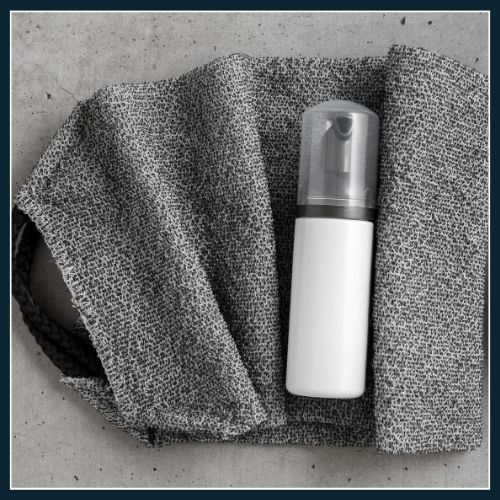
Maybe the urea cream works great, but you hate the whole sliding across the floor with greasy footprints thing. Try a urea foam or mousse instead. It sinks in faster so you don’t need to tolerate heavy cream squishing beneath your toes.
Get more help with those problems that always seem to come back.
crosschevron-down