How To Look More Confident Without Saying A Word

People notice things about you before you even speak, from how you move to how you look around. Even confident men have habits that broadcast nervousness on the outside, even when they feel fine on the inside. Let’s talk about the visible things that make someone appear nervous, and what to do instead.

Stand Like You Belong There

The Weight Shift Problem

When you keep on shifting your weight from one foot to the other, it registers as restless and unsettled, like part of you wants to leave the conversation. 

To fix it you have to stay in the moment and notice what you're doing. Plant both feet about shoulder-width apart, weight even across both. You don’t want to stand like you’re in the military, just look like you are comfortable being where you are.

Shoulders, Chest and Head

Ever noticed a guy walk into a room looking like he's apologising for being there? His shoulders come forward, his head drops, and he seems very interested in the floor. Most of the time it isn't a confidence problem at all. He's just carrying tension in all the wrong places.
If that sounds familiar, check your posture the next time you walk into a room. There's no need to puff your chest out like a superhero. Just don't crouch like you owe the room an explanation for being there.

Leaning in Versus Looming

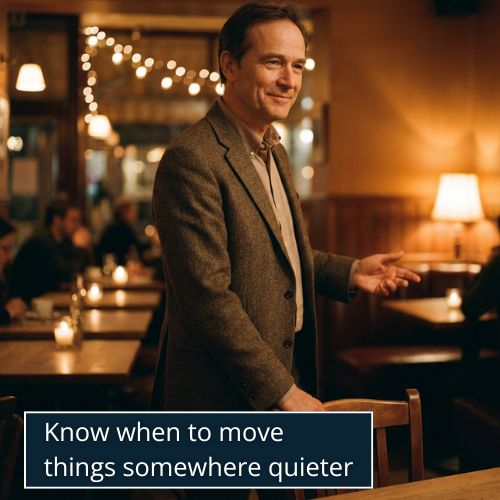
When you’re speaking to someone it’s natural to lean in when you are interested and engaged. 

But, leaning in when you’re anxious looks like you want to tell them a deep secret. If you notice you've drifted too close, take a breath, reset and give the other person their space back.

Stop Giving Away Nervous Energy

What Fidgeting Actually Signals

Nobody fidgets on purpose. It’s what the body does when it has too much energy and no outlet for it. The trouble is that it shows. Tap your foot, click your pen, check your phone mid-sentence, and people around you will notice. Each one is minor on its own, but do it repeatedly and the room will assume that you seem on edge. The quickest way to get out of your own head is to stop thinking about yourself and pay attention to the other person. Listen to what they are saying and get genuinely interested.

The Phone

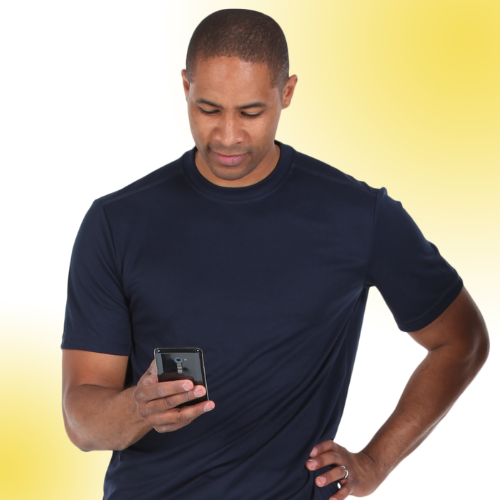
The phone is just the modern version of staring at your shoes. You see people reach for it the second there is an awkward silence. If you pull out your phone but do not make a call, send a text, or do anything useful with it, you might as well put a sign above your head that says "I feel self-conscious right now." 

The people you’re with can often see what’s happening, even when they pretend not to. Whatever is on that screen is not more interesting than the impression you are currently making.

Touching Your Face

Your hand has a habit of finding your face when you're nervous. One minute it's by your side. The next it's on your chin, your mouth, or the back of your neck and you don't even remember moving it there. 

That’s exactly why you can’t fix it with willpower. The best thing you can do is to notice whenever it happens and calmly bring your hand back down. Over time you will pick up on the pattern and do it less and less.

Use Eye Contact Without Turning It Into A Staring Contest

Why Eye Contact Matters

You can usually tell when somebody is uncomfortable because their eyes seem to be everywhere. The table becomes fascinating. 

The wall suddenly deserves attention. Even the ceiling gets involved. They're not sure where to look or how long to look there for. Ironically, the harder you try to get eye contact right, the more awkward it tends to feel.

The Practical Approach In a One-On-One Conversation

While the other person is talking, keep your focus on them. When it is your turn, it is completely normal for your eyes to drift a little while you gather your thoughts. That is just thinking, and it looks like thinking. What does register is when someone looks at you directly and your eyes immediately go somewhere else. It happens fast but other people catch it every time. It’s a reflex for a lot of men and it is worth training yourself out of because it can make you seem shifty or just less comfortable than you really are.

In Group Settings

Groups are trickier because it’s tempting to find one friendly face and stay there. It feels safer but it looks odd to everyone else in the room who might feel they're being ignored. 

Move your eye contact around as you talk and let it rest on each person for a few seconds before moving on to the next. It signals that you are comfortable with the whole room rather than desperately grateful for one friendly face.

What To Do With Your Hands

Why Hands Are The Hardest Part

Hands run on autopilot until something makes you conscious of them, and then the autopilot cuts out entirely. Cross your arms and you look like you are waiting for bad news. Shove your hands in your pockets and you look like a teenager. If you wave them around too much you look like the most theatrical person in the room. A lot of guys just freeze completely, or start making these small tight movements that look nothing like how they’d actually use their hands when nobody is watching.

The Default Position

The simplest thing you can do with your hands when you are not using them is nothing. Let them hang at your sides. It feels unnatural when you are paying attention to it but it looks completely normal to everyone else. If that still feels too exposed, hold anything that gives your hands a job without making it obvious that you gave them one - just not an obvious one like your phone.

What To Do With Your Hands When Seated

Hands seem to cause the most trouble just before a meal arrives. One minute you're chatting normally, the next you're wondering whether your hands should be on the table, under the table, folded together, or looking poised. The answer is usually none of the above. Put them somewhere comfortable and return your attention to the conversation. The more you think about your hands, the stranger they can feel.

Avoid Self Touching Gestures

A common habit is checking your clothing when you feel self-conscious. You smooth down your sleeve, adjust your collar, or pat stray hairs back into place. The trouble is that once you've done it once, there is usually no reason to keep doing it. Every adjustment after that shows part of your attention is on yourself rather than on the person in front of you. If you catch yourself doing this during a conversation, stop and bring your attention back to the person you're speaking to. People are far more interested in how engaged you seem than whether your collar sits perfectly.

Move More Slowly

The Pace of Nervousness

Have you ever noticed how nerves can make you speed up? When people feel anxious in a situation, they move through the room quickly, sit down before they’ve properly chosen where, answer questions before they’ve finished being asked. The body is actually trying to shorten the uncomfortable moment. This tends to look more obvious to the people in the room who feel at ease, because they’re moving at a slower pace.

Slow Down Your Entry

Many people speed up when they walk into a room because they feel exposed. The instinct is to get to a chair, a table, or the person they came to see as fast as possible. The number of men who have crashed into a seat, clipped a table corner, or misjudged a step in their hurry to stop being visible is probably higher than anyone wants to admit.
Next time you enter a room, walk normally and give yourself a moment to look around and settle into your surroundings before you sit down or start a conversation. It creates a much calmer impression than charging straight to your destination as though you don’t want to be seen.

Stop Looking Like You're About To Leave

The Perching Problem

You’ve probably had that moment where you sit down fast, land awkwardly, then immediately look back at the chair as if it moved at the last second and caused the problem. What follows is a brief but frantic effort to recover your dignity while pretending nothing happened. Or maybe you perched on the edge of a chair and it felt like a good idea for about five seconds. Then you realise your legs are in the wrong place, your back is uncomfortable, and you now need to change position without making it obvious that you’re changing position.

Collapsing Versus Settling

The chair that betrayed you a moment ago is not something you need to conquer. Yet some people react by throwing themselves right to the back of the seat and spreading out like they've claimed new territory. It might feel comfortable, but on a first date or in a meeting it can look as though you'd rather be anywhere else. Simply sit back, settle in, and let your posture show that you're comfortable in that space without turning the chair into a personal recliner.

Constantly Repositioning

Have you ever spent so much time adjusting your position that you eventually realise you were more comfortable five minutes ago? You sit, move, adjust, move again, cross one leg, uncross it, then start the whole process over. Most of the time the chair isn't the problem. You're already comfortable enough. You just haven't given yourself a chance to settle.

Look Comfortable In Photos

Why Photos Trip People Up

Nobody worries about their hand position while walking down the street. Nobody spends lunch wondering whether their smile looks natural. Put a camera in front of the same person and suddenly both become major concerns.

The Posture Adjustment

As soon as the camera comes out, it's natural to want to face it head on and pose, but the result is that stiff and frozen expression you get in passport photos, driving licences and security badges. Technically it's your face, but somehow it doesn't look much like you.
Next time somebody calls everyone over for a photo, don't square yourself up to the camera like you're reporting for duty. Turn slightly, relax your shoulders and think more about the people around you than the camera itself. Most good photos happen when you forget you're trying to create one.
crosschevron-down