
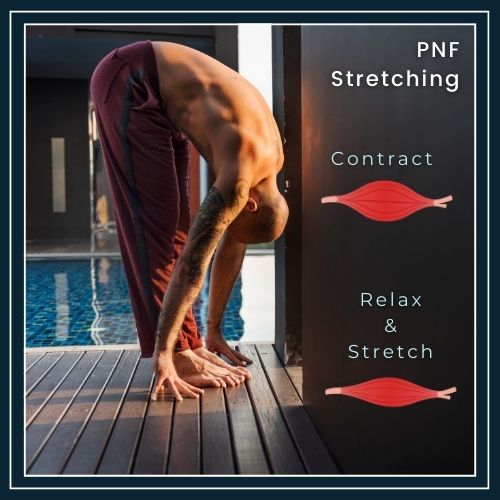

What Makes PNF Different
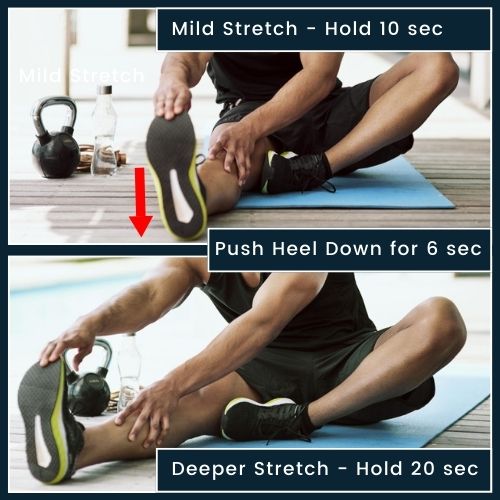
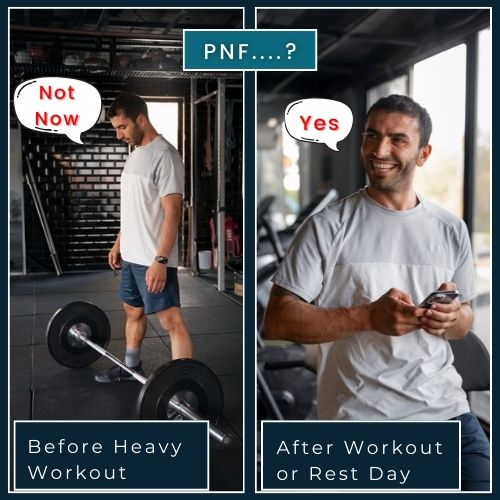
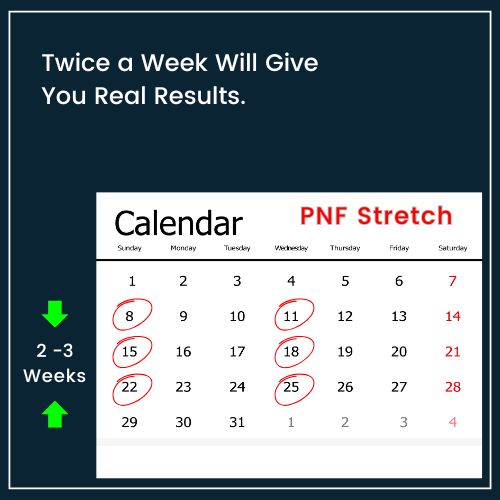
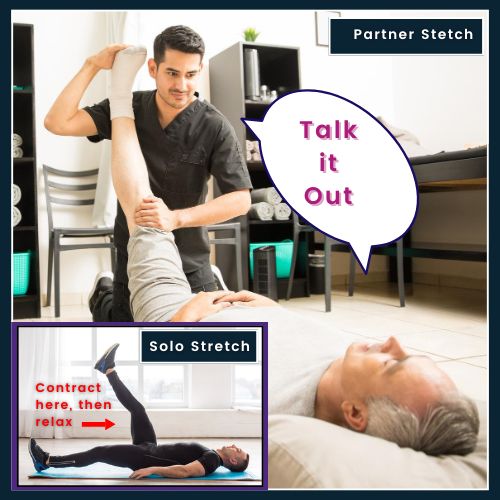
PNF goes beyond holding a stretch like you learned in Physical Ed class. First you contract the muscle you're going to stretch, then relax it. This tells your nervous system that it's safe to let the muscle lengthen more when you stretch it. That's all you have to do: briefly contract the muscle you're about to stretch before relaxing it. This small change makes a huge difference in how effective your stretching becomes.
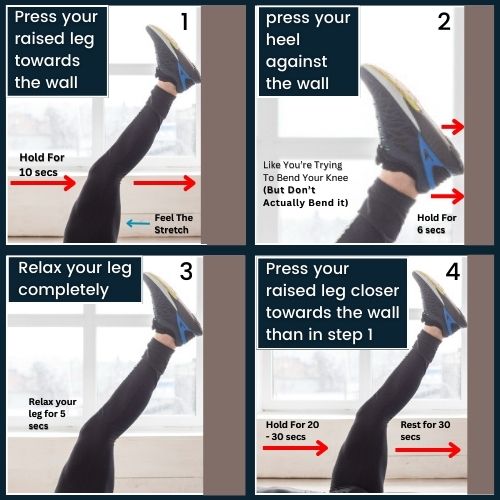
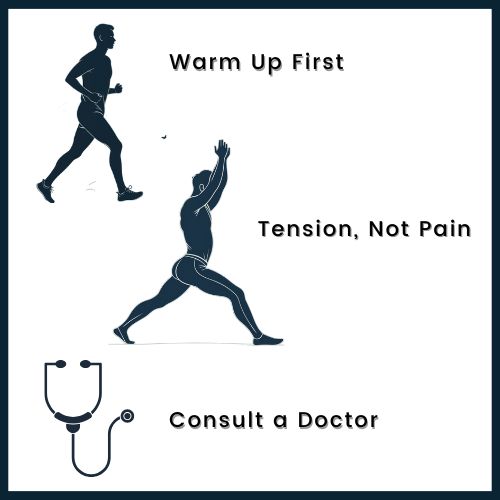


This was such an insightful read—thank you for breaking down PNF stretching in such a practical way! My husband has been struggling with flexibility, especially in his hamstrings and lower back, and we’ve been trying to find something more effective than just the usual static stretches. I’d never heard of PNF before, but it sounds promising. I appreciate how you explained the technique clearly and emphasized the importance of doing it safely. Definitely going to share this with him and maybe even try it together.
Thanks again for the helpful info!
Thanks Alice!
PNF works really well for hamstrings and lower back tightness. It's more effective than static stretching because you're activating the muscles before stretching them. One of our team members — our resident chef and nutrition enthusiast — had serious tightness from his lower back down to his metatarsal, and PNF has helped loosen things up fast.
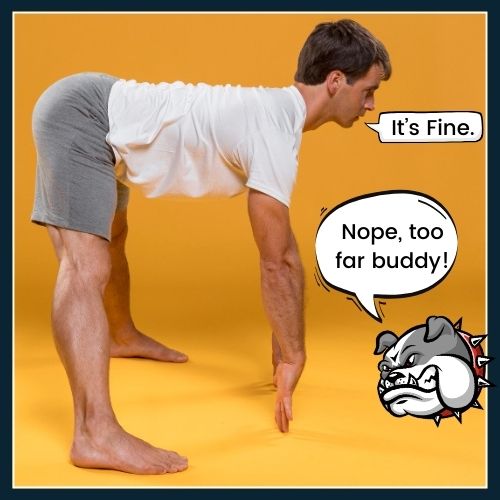
Just make sure you both start easy - don't push too hard on the first few sessions. The technique works, but it can feel intense if you go too aggressive too fast.
Good luck!
The MaleSuave Team
I’ve been incorporating PNF stretching into my routine for a few months now, and the improvements in my hip mobility and hamstring flexibility have been remarkable, especially compared to static stretches alone. Partner-assisted holds can feel intense, though, so I’m curious: how do you recommend scaling down the resistance for solo practice? Also, have you found an optimal hold-and-relax timing that balances effectiveness without causing too much muscle soreness afterward?
Hey Slavisa,
For solo practice, use a resistance band or strap instead of a partner. Loop it around your foot and pull against it yourself - you control the resistance that way. Start lighter than you think you need and build up from there.
For timing, the standard is 5-7 seconds of contraction, then 20-30 seconds of relaxed stretching. If you're getting too sore, cut the contraction time down to 3-5 seconds or take longer rest between sets. You shouldn't be wrecked afterwards if you're doing it right.
The MaleSuve Team