Athleisure for Men With Wide Hips, Flat Glutes, Skinny Legs, and Thin Calves

If your joggers are always baggy around the calves, saggy in the seat, or never sit right on your hips, it usually comes down to how the joggers are cut. A few simple changes in fit and fabric can fix it.

Why Joggers Don’t Fit Every Body Shape

Most joggers are built around a standard shape, so when your build is a bit different the fabric ends up pulling, sagging, or bunching in the wrong places. Let’s sort this out.

Athleisure Tips for Wide Hips

Why Joggers Pull Across the Hips

Your hips are fine, but the pant's shape causes problems. Most joggers are cut like a straight tube. 

If your hips are wider, the fabric stretches tight across them but stays loose at the waist and calves. This creates pulling, bunching, and makes your top half look smaller.

How to Choose Joggers for Wide Hips

Start with straight-leg joggers that aren’t heavily tapered. The goal is to keep the leg line fairly even from hip to ankle so the fabric doesn’t pull tight across the hips.

Choose fabrics that are strong enough to hold their shape without adding bulk around the hips.
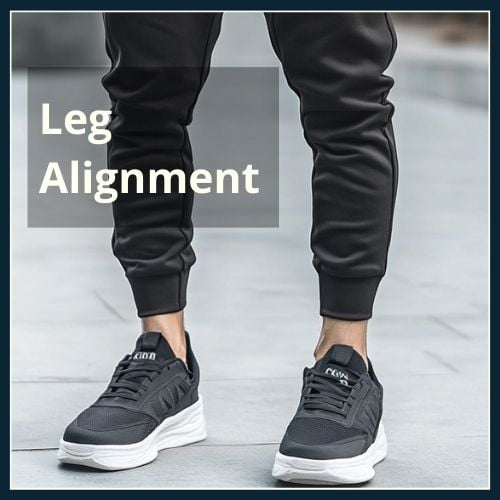
What to Look for in Joggers If You Have Wide Hips

  • Wear your pants higher: Get joggers with a higher waistband. When you wear them at your natural waist, it makes your torso look longer and draws the eye up, away from your hips.
  • Make sure they stretch: Don't buy any pants without some stretch in the fabric (look for elastane or spandex on the label). You need that give so they don't feel tight across your hips when you move.
  • Build your shoulders: Working on your back and shoulders (with exercises like rows) makes your upper body wider. This creates a better balance so your hips don't stand out as much.

Wide Hips - Tailoring Talk

Here’s what to ask for: "Can you let out the seams around the hips to give me more room, and then taper the legs down from the thigh to the ankle?"
What that does: It adds space where you need it (your hips) and removes the baggy fabric below, so the pants fit your shape instead of hanging off it.
What to expect:
Cost: About £20 to £40.
The Process: They'll open the side seams. If there's enough fabric inside, they'll let it out. Then they'll pin the legs to be narrower. They should have you move around to make sure it's not too tight across the hips when you squat or walk.

Athleisure Tips for Flat Glutes

Why Joggers Sag at the Seat

With a flatter seat, standard joggers are often cut with more back-rise depth than you need. That extra fabric has nowhere to go. Instead of sitting smoothly, it collapses under the seat, creating sagging, bunching, and a deflated shape at the back. The waistband can feel secure, but the rear still looks loose and unstructured.

How to Choose Joggers for Flat glutes

You need joggers that give the seat area some structure and shape. Ask for styles where the back seam curves slightly instead of dropping straight down from the waistband. Firmer fabric also helps because it holds its shape instead of sagging at the back.

What to Look for in Joggers If You Have Flat Glutes

  • Look for shaping in the back seams. Turn the joggers around and check that the stitching around the seat seam curves slightly.
  • Go for firmer fabric. Joggers made of slightly thicker or more structured material stay in shape longer and won’t look deflated.
  • Avoid really loose fits. If the joggers are very wide around the seat and thighs, the extra fabric will just hang and sag. You'll get a cleaner look with joggers that fit through the legs.
  • For long-term change, build your glutes with exercises like Callanetics hip and butt exercises, squats, or lunges.

Flat Seat Tailoring Fix

Here’s what to ask for: "Can you add a couple of small darts in the back to give the seat a bit more shape, or add a little extra piece of fabric in the crotch seam to stop it from sagging?"
What that does: It adds a subtle curve to the back of the pants so they don't look flat or empty. It gives the fabric something to hold onto.
What to expect:
Cost: About £15 to £30.
The Process: They'll pinch and stitch small tucks (darts) at the top of the back pockets or add a small triangular piece of fabric (a gusset). They should have you sit down and stand up to make sure it doesn't feel tight or pull.

Athleisure Tips for Skinny Legs

Why Joggers Look Baggy on Slim Legs

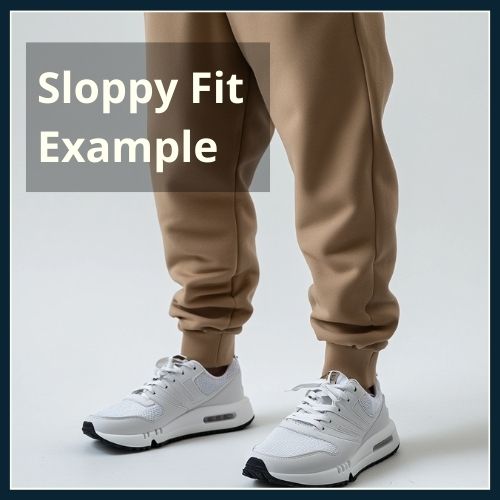
When your legs are slim, wide joggers just swallow them. The fabric has too much space, so it crumples at the knees and pools at the ankles. Instead of adding shape, the pants make your legs look smaller.

How to Choose Joggers for Skinny Legs

Choose pants that follow your leg line instead of hanging loose around it. Focus on how the legs fit first. If the waist ends up slightly loose, that can be adjusted. The goal is clean lines without extra fabric bunching up.

What to Look for in Joggers If You Have Skinny Legs

  • Go for slim tapered joggers. They narrow properly through the calf.
  • Look for a firm cuff at the ankle. Elastic that actually grips slightly works best.
  • Avoid wide straight legs if your calves are slim. They’ll just hang.
  • A bit of stretch helps. It lets the fabric sit closer without feeling restrictive.

Skinny Legs Tailoring Fix

Here’s what to ask for: "Can you take in the legs evenly from the thigh down to the ankle? I want to remove the extra fabric so they're not baggy on me."
What that does: It makes the entire leg of the pant narrower to match your leg line. This gets rid of the bunching at your knees and the pooling at your ankles.
What to expect:
Cost: About £15 to £25.
The Process: They'll pin the inseam and outseam of each leg. They should have you stand normally (not tensed) and then walk a few steps to make sure the new fit isn't too tight and doesn't ride up when you move.

Athleisure Tips for Thin Calves

Why Joggers Collapse Around the Calf

The lower leg of most joggers won't be narrow enough to fit slim calves.
So instead of following your leg, the fabric just hangs there, because it doesn’t have anything to hold on to. That’s why you get loose, collapsed fabric above the ankle. It looks soft and unfinished, even if the rest of the jogger fits fine.

How to Choose Joggers for Thin Calves

First the bottom of your joggers need to follow your lower leg, which means a proper taper through the calf, or a firm cuff at the ankle that holds the fabric in place.

The fabric should sit close enough to your leg so it looks sharp and intentional, but not tight.

What to Look for in Joggers if You Have Thin Calves

  • Try 'Slim Tapered' joggers: These are cut to be narrower at the calf, which is what you need.
  • Get joggers with a tight cuff: An elastic or silicone band inside the ankle hem is crucial. It holds the fabric to your ankle so it doesn't flap around.
  • Skip straight-leg styles: A straight-cut jogger will be baggy around your calf. That extra fabric will just crumple up.
  • Make sure they have some stretch: Look for a bit of spandex in the fabric (2-4%). It lets the material fit your calf without having to be super tight.

Thin Calves - Tailoring Talk

Here’s what to ask for: "Can you take in the calf area on these, so the leg is narrower from the knee down to the ankle?"
What that does: It removes the extra fabric that's billowing around your calf, so the pant leg sits close to your leg instead of floating around it.
What to expect:
Cost: About £10 to £20.
The Process: They'll pin the side seams from just below the knee to the ankle. They should have you stand and then do a calf raise or walk to make sure it's not too tight when your muscle flexes.
Don’t miss these while you’re here
crosschevron-down